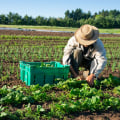
In recent years, the term organic food has become a buzzword in the culinary and health communities, often associated with a lifestyle choice that prioritizes health and environmental sustainability. But what exactly does it mean to consume organic food? At its core, organic food refers to products that are grown and processed without the use of synthetic fertilizers, pesticides, genetically modified organisms (GMOs), and artificial preservatives. This approach to farming emphasizes natural processes and biodiversity, aiming to create a more sustainable agricultural system.The principles behind organic farming are rooted in a holistic understanding of ecosystems. Organic farmers focus on maintaining soil health through practices such as crop rotation, cover cropping, and composting.
These methods not only enhance soil fertility but also promote a balanced ecosystem that can naturally deter pests and diseases. By avoiding harmful chemicals, organic farms strive to protect the environment, preserve biodiversity, and produce food that is free from potentially harmful substances.The growing popularity of organic food can be attributed to several factors. Many consumers are increasingly aware of the potential health risks associated with conventional farming practices, including exposure to synthetic chemicals and antibiotics. As a result, they are turning to organic options as a safer alternative. These methods not only enhance soil fertility but also promote a balanced ecosystem that can naturally deter pests and diseases. By avoiding harmful chemicals, organic farms strive to protect the environment, preserve biodiversity, and produce food that is free from potentially harmful substances.The growing popularity of organic food can be attributed to several factors. Many consumers are increasingly aware of the potential health risks associated with conventional farming practices, including exposure to synthetic chemicals and antibiotics. As a result, they are turning to organic options as a safer alternative.
Additionally, the perception that organic food is fresher and more flavorful has also contributed to its appeal. Studies suggest that organic produce may have higher levels of certain nutrients due to the natural farming methods employed.Moreover, choosing organic food is often seen as a way to support local economies and sustainable farming practices. By purchasing from organic farms , consumers can contribute to a system that values ethical treatment of animals, environmental stewardship, and community well-being. As we delve deeper into the truth about organic food in this article, it is essential to understand these foundational concepts that shape our perceptions and choices regarding what we eat.
The Rise of Organic Farms
The concept of organic farming has roots that stretch back to ancient agricultural practices, but its modern iteration began to take shape in the early 20th century.Pioneers like Sir Albert Howard and Lady Eve Balfour advocated for farming methods that emphasized soil health and biodiversity, laying the groundwork for what we now recognize as organic agriculture. The post-World War II era saw a significant shift towards synthetic fertilizers and pesticides, which dominated conventional farming practices. However, growing concerns about the environmental and health impacts of these chemicals sparked a resurgence in interest in organic methods.By the 1960s and 1970s, organic farming began to gain traction, particularly in the United States and Europe. The establishment of organizations such as the Organic Trade Association in 1985 and the introduction of certification standards helped legitimize organic farming practices.
As consumers became more aware of food safety issues and environmental sustainability, demand for organic products surged.Statistics reveal a remarkable growth trajectory for organic farms over the past few decades. According to the USDA , the number of certified organic farms in the United States increased from approximately 8,000 in 2000 to over 20,000 by 2021. This represents a growth rate of over 150%. Furthermore, organic food sales reached an impressive $62 billion in 2020, accounting for nearly 4% of total food sales in the U. S., a significant increase from just 1% in the late 1990s.Several factors contribute to this rise in organic farms.
Firstly, consumer awareness regarding health and environmental issues has played a pivotal role. Many consumers are now more informed about the benefits of organic produce, including reduced exposure to harmful chemicals and support for sustainable farming practices. Additionally, as millennials and younger generations prioritize health and sustainability, they are driving demand for organic options.Moreover, government policies and initiatives aimed at promoting sustainable agriculture have also bolstered the growth of organic farms. Programs that provide financial assistance and resources for transitioning to organic practices have made it easier for farmers to adopt these methods.In conclusion, the rise of organic farms is not merely a trend but a reflection of changing consumer values and increasing awareness about food production's impact on health and the environment.
As this movement continues to grow, it is likely that we will see even more innovations and developments within the organic farming sector.
Nutritional Value: Organic vs. Conventional
When it comes to the nutritional value of food, the debate between organic and conventional options is often heated. Many consumers believe that organic foods are inherently more nutritious than their conventionally grown counterparts. However, the reality is more nuanced and requires a closer examination of the available evidence.Numerous studies have attempted to compare the nutritional profiles of organic and conventional foods.A comprehensive review published in the British Journal of Nutrition analyzed over 200 studies and found that while there are some differences, they are not as significant as many might expect. The review concluded that organic foods tend to have slightly higher levels of certain nutrients, such as antioxidants, but the differences are often minimal.One of the primary reasons for this discrepancy is the farming practices used in organic agriculture. Organic farms often employ crop rotation and natural fertilizers, which can enhance soil health and potentially lead to higher nutrient content in crops. However, these practices do not guarantee a substantial increase in nutritional value across all types of produce.Moreover, factors such as soil quality, climate, and harvest timing can significantly influence the nutrient levels in both organic and conventional foods.
For instance, a tomato grown in nutrient-rich soil may have more vitamins than an organic tomato grown in less favorable conditions. Therefore, it is essential to consider these variables when evaluating the nutritional benefits of organic versus conventional foods.Another common misconception is that organic foods are free from pesticides and chemicals. While it is true that organic farming restricts synthetic pesticides, it does allow for certain natural pesticides. This means that while consumers may reduce their exposure to harmful chemicals by choosing organic, they may not be entirely eliminating them.In terms of health benefits, some studies suggest that consuming organic foods may lead to lower levels of pesticide residues in the body.
This reduction can be particularly important for vulnerable populations such as children and pregnant women. However, the long-term health implications of consuming organic versus conventional foods remain an area of ongoing research.Ultimately, while there may be slight advantages to choosing organic foods in terms of nutrient content and reduced chemical exposure, it is crucial for consumers to make informed decisions based on their personal health goals and values. A balanced diet rich in fruits and vegetables—whether organic or conventional—is key to overall health.
Environmental Impact of Organic Farming
The environmental impact of organic farming is a multifaceted topic that encompasses both significant benefits and notable challenges. One of the primary advantages of organic farms is their reduced reliance on synthetic chemicals.By avoiding the use of synthetic fertilizers and pesticides, organic farming practices help to minimize soil and water contamination, which can be detrimental to local ecosystems. This reduction in chemical use not only protects the immediate environment but also contributes to healthier soil microbiomes, which are essential for sustainable agriculture.Moreover, organic farms often employ crop rotation and cover cropping techniques, which enhance soil fertility and structure. These practices promote biodiversity by creating habitats for various organisms, from beneficial insects to soil-dwelling microorganisms. The increased biodiversity on organic farms can lead to more resilient ecosystems that are better equipped to withstand pests and diseases without the need for chemical interventions.However, it is essential to consider the potential downsides associated with organic farming.
One significant concern is land use. Organic farms typically require more land to produce the same yield as conventional farms due to lower input levels. This increased land requirement can lead to deforestation or habitat destruction if not managed responsibly. Additionally, the carbon footprint of organic farming can be higher in some cases, particularly when considering transportation and distribution of organic products over long distances.Furthermore, while organic farming promotes biodiversity on the farm level, it may not always contribute positively to regional biodiversity if it leads to monocultures in certain areas.
For instance, if large tracts of land are converted to organic monocultures, this can diminish the variety of plant species in a region.In conclusion, while organic farms offer substantial environmental benefits through reduced chemical usage and enhanced biodiversity, they also present challenges related to land use and carbon emissions. A balanced approach that considers both the positive impacts and potential drawbacks is crucial for advancing sustainable agricultural practices that benefit both the environment and society.
Pesticides and Chemicals: The Truth Revealed
When discussing the safety and health implications of organic food, one of the most contentious topics is the use of pesticides. Many consumers are concerned about the chemicals that may be present in their food, leading to a common belief that organic farming is entirely free from pesticides. However, this is a misconception that needs clarification.In organic farming, the use of pesticides is indeed permitted, but with strict regulations.Organic farmers can utilize natural pesticides derived from plants or minerals, which are generally considered less harmful than their synthetic counterparts. These natural alternatives include substances like neem oil, diatomaceous earth, and insecticidal soaps. While these organic pesticides are designed to minimize harm to beneficial insects and the environment, they are not without their own risks and must be used judiciously.On the other hand, conventional agriculture often relies on synthetic pesticides that can be more effective in controlling pests but may pose greater risks to human health and the environment. These chemicals can leave residues on produce, raising concerns about long-term exposure and potential health effects.
Studies have linked some synthetic pesticides to various health issues, including hormonal disruptions and increased cancer risk.Despite these concerns, it’s essential to understand that both organic and conventional foods undergo rigorous safety assessments before reaching consumers. The U. S. Department of Agriculture (USDA) regulates organic farming practices, ensuring that any pesticides used in organic production meet specific safety standards.
This means that while organic foods may still contain pesticide residues, they are typically at lower levels compared to conventionally grown produce.Moreover, research indicates that the overall exposure to harmful chemicals can be significantly reduced by choosing organic options. A study published in the journal Environmental Health Perspectives found that individuals who switched to an organic diet experienced a marked decrease in pesticide levels in their urine within just a few days.Ultimately, while organic farming does allow for the use of certain pesticides, it emphasizes safer alternatives and sustainable practices. Consumers concerned about chemical exposure should consider not only the type of food they purchase but also how it is produced. Understanding these nuances can empower individuals to make informed choices about their diets and health.
Economic Aspects: Cost of Organic Food
The cost of organic food is a significant factor that influences consumer choices and perceptions about organic farming.Many shoppers are often surprised to find that organic products can be significantly more expensive than their conventionally grown counterparts. Understanding the reasons behind this price difference is essential for making informed purchasing decisions.One of the primary reasons organic food tends to be more costly is the farming practices involved. Organic farms adhere to strict regulations that prohibit the use of synthetic fertilizers and pesticides. This means that farmers must rely on natural methods for pest control and soil fertility, which can be more labor-intensive and time-consuming.
For instance, organic farmers often implement crop rotation, cover cropping, and manual weeding, all of which require more hands-on management compared to conventional farming methods.Additionally, organic farms typically have lower yields than conventional farms due to these sustainable practices. The absence of chemical inputs can lead to smaller harvests, which means that farmers must charge higher prices to cover their costs and maintain profitability. Furthermore, the certification process for organic farming can be both lengthy and expensive, adding another layer of financial burden that is often passed on to consumers.Another factor contributing to the higher prices of organic food is the supply chain. Organic products often have a shorter shelf life and require more careful handling during transportation and storage.
This can lead to increased costs for retailers who must ensure that these products remain fresh and safe for consumption.Despite the higher price tag, many consumers are willing to pay a premium for organic food due to perceived health benefits and environmental concerns. The demand for organic products has surged in recent years, prompting more farmers to transition to organic practices. This shift not only supports sustainable agriculture but also has a positive economic impact on local communities by creating jobs in organic farming and related industries.In conclusion, while the cost of organic food may deter some consumers, understanding the economic factors at play can help clarify why these products are priced higher. By supporting organic farms, consumers contribute to a more sustainable food system that prioritizes health and environmental stewardship.
Challenges Faced by Organic Farmers
Organic farmers face a unique set of challenges that can complicate their efforts to produce food sustainably and profitably.One of the most significant hurdles is pest management. Unlike conventional farmers who can rely on synthetic pesticides, organic farmers must find alternative methods to protect their crops from pests and diseases. This often involves a combination of strategies, including:
- Crop rotation: By changing the types of crops grown in a particular area each season, farmers can disrupt pest life cycles and reduce infestations.
- Companion planting: Certain plants can deter pests or attract beneficial insects that prey on harmful ones, creating a natural balance in the ecosystem.
- Physical barriers: Using row covers or nets can physically prevent pests from reaching crops.
- Biological controls: Introducing natural predators, such as ladybugs or parasitic wasps, can help manage pest populations without chemicals.
As consumer interest in organic food continues to grow, farmers must navigate the complexities of supply chains and market expectations. Many retailers have strict requirements regarding the appearance and packaging of organic produce, which can be difficult for small-scale farmers to meet. For instance:
- Some retailers may require pre-packaged or pre-cut items, which are not feasible for many organic farms that focus on whole produce.
- Quality standards may be higher for organic products, leading to increased pressure on farmers to ensure their crops meet these expectations.
Balancing profitability with environmental stewardship is a constant struggle for many organic farmers.In conclusion, while organic farming offers numerous benefits, it is not without its challenges. From pest management without synthetic chemicals to navigating market demands and sustainability issues, organic farmers must employ innovative strategies and remain adaptable in an ever-evolving agricultural landscape.
Consumer Choices: Making Informed Decisions
When it comes to purchasing organic food, making informed choices is essential for both your health and the environment. Here are some key factors to consider that can help you navigate the often confusing world of organic products.Understanding Certifications
One of the first steps in choosing organic food is to familiarize yourself with the various certifications. In the United States, the USDA Organic label is the most recognized certification.This label ensures that the product meets strict federal guidelines, including:
- No synthetic fertilizers or pesticides used in production.
- No genetically modified organisms (GMOs).
- Animals raised on organic feed and without antibiotics or growth hormones.
Buying Local Organic Produce
Another important consideration is sourcing your organic food locally. Buying from local organic farms not only supports your community but also reduces the carbon footprint associated with transporting food over long distances. Local produce is often fresher and may retain more nutrients compared to items that have traveled thousands of miles.Additionally, local farmers are usually more transparent about their farming practices, allowing you to ask questions directly about how your food is grown.
Reading Labels Carefully
When shopping for organic products, take the time to read labels carefully. Look for:- Ingredient lists: Ensure that all ingredients are organic and free from artificial additives.
- Nutritional information: Compare nutritional values with conventional options to make informed choices.
- Expiration dates: Freshness matters, especially for perishable items like fruits and vegetables.
FAQs About Organic Food and Farms
As consumers become more conscious of their food choices, questions about organic food and the practices of organic farms have surged. Here, we address some of the most frequently asked questions to help clarify common misconceptions and provide valuable insights.What is organic food?
Organic food refers to products that are grown and processed without the use of synthetic fertilizers, pesticides, or genetically modified organisms (GMOs).The farming practices emphasize sustainability, biodiversity, and ecological balance. To be certified organic in the United States, farms must adhere to strict guidelines set by the USDA.
Are organic foods more nutritious than conventional foods?
This is a common myth. While many consumers believe that organic foods are inherently more nutritious, research has shown that there is no significant difference in nutrient content between organic and conventionally grown foods. However, organic foods may have lower levels of pesticide residues, which can be a health benefit.Do organic farms use pesticides?
Yes, but they use natural or non-synthetic pesticides instead of conventional ones.Organic farmers often rely on integrated pest management (IPM) techniques, which include crop rotation, beneficial insects, and natural repellents to control pests while minimizing environmental impact.
Why are organic products more expensive?
The higher cost of organic products can be attributed to several factors:- Labor-Intensive Practices: Organic farming often requires more manual labor for tasks like weeding and pest control.
- Lower Yields: Organic farms typically produce lower yields compared to conventional farms due to restrictions on synthetic inputs.
- Certification Costs: The process of obtaining and maintaining organic certification can be costly for farmers.
How can I identify genuine organic products?
Look for labels that indicate USDA Organic certification. This label ensures that the product meets specific standards for organic farming practices. Additionally, local farmers' markets often provide opportunities to speak directly with producers about their farming methods.Are all organic products created equal?
No, not all organic products are the same. There are different levels of organic certification:- 100% Organic: Made entirely from organic ingredients.
- Organic: Contains at least 95% organic ingredients.
- Made with Organic Ingredients: Contains at least 70% organic ingredients but cannot use the USDA Organic seal.
Conclusion: The Future of Organic Food and Farming
As we draw our exploration of organic food and farming to a close, it is essential to reflect on the key insights we've uncovered.The journey through the world of organic farms reveals a complex landscape where benefits and challenges coexist. While organic food is often perceived as a healthier choice, the nutritional differences between organic and conventional produce are minimal. However, the reduction in exposure to synthetic pesticides and antibiotics remains a significant advantage for many consumers.Moreover, the environmental impact of organic farming practices is a topic of ongoing debate. Although organic methods aim to promote sustainability, they can also present challenges that may not align with broader environmental goals.
For instance, the land use and resource demands of organic farming can sometimes rival those of conventional agriculture, raising questions about the overall efficacy of these practices in combating climate change.Looking ahead, the future of organic food and farming is likely to be shaped by several trends:
- Technological Advancements: Innovations in agricultural technology, such as precision farming and biotechnology, may enhance organic farming practices, making them more efficient and sustainable.
- Consumer Awareness: As consumers become more educated about food sources and production methods, there will be an increasing demand for transparency in labeling and sourcing.
- Diverse Farming Practices: The rise of agroecology and regenerative agriculture could lead to a blending of organic principles with other sustainable practices, creating a more holistic approach to food production.
- Policy Changes: Government regulations and support for sustainable agriculture may evolve, influencing the growth and accessibility of organic products.