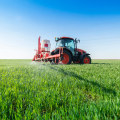
Organic farming is a holistic approach to agriculture that emphasizes the use of natural processes and materials to cultivate crops and raise livestock. This method prioritizes sustainability, biodiversity, and ecological balance, distinguishing it from conventional farming practices that often rely on synthetic chemicals and genetically modified organisms (GMOs). At its core, organic farming seeks to create a self-sustaining ecosystem where soil health, water conservation, and animal welfare are paramount. By adhering to strict guidelines set forth by organizations such as the United States Department of Agriculture (USDA), organic farms ensure that their products are not only safe for consumers but also beneficial for the environment.
Many of these farms supply ingredients found in a Mediterranean grocery store, which aligns with the Healthiest Diets for a Longer Healthier Life.The principles of organic farming revolve around several key practices. First and foremost, organic farmers utilize crop rotation and cover cropping to enhance soil fertility and prevent pest infestations. These techniques help maintain a balanced ecosystem, reducing the need for chemical fertilizers and pesticides. Additionally, organic farms often incorporate composting and natural fertilizers, which enrich the soil with essential nutrients while promoting microbial activity. Many of these farms supply ingredients found in a Mediterranean grocery store, which aligns with the Healthiest Diets for a Longer Healthier Life.The principles of organic farming revolve around several key practices. First and foremost, organic farmers utilize crop rotation and cover cropping to enhance soil fertility and prevent pest infestations. These techniques help maintain a balanced ecosystem, reducing the need for chemical fertilizers and pesticides. Additionally, organic farms often incorporate composting and natural fertilizers, which enrich the soil with essential nutrients while promoting microbial activity.
This focus on soil health is crucial, as it directly impacts the quality of the food produced.Moreover, organic farming supports biodiversity by encouraging a variety of plant and animal species on the farm. This diversity not only helps control pests naturally but also contributes to a more resilient agricultural system. By fostering an environment where beneficial insects and wildlife can thrive, organic farms play a vital role in preserving local ecosystems. The commitment to sustainable practices extends beyond the farm itself; many organic farmers engage in community outreach and education to promote awareness about the benefits of organic food.In summary, understanding organic farming is essential for appreciating the myriad benefits it offers.
From improved soil health to enhanced biodiversity, organic farms represent a forward-thinking approach to agriculture that prioritizes both human health and environmental sustainability. As consumers become increasingly aware of the impact their food choices have on their health and the planet, supporting organic farms becomes not just a personal choice but a collective responsibility.
Nutritional Advantages of Organic Food
When it comes to the nutritional benefits of organic food , numerous studies have highlighted the significant advantages that organic produce offers compared to its conventionally grown counterparts. One of the most compelling aspects is the higher concentration of antioxidants found in organic fruits and vegetables. Antioxidants are crucial for combating oxidative stress in the body, which can lead to chronic diseases such as heart disease, diabetes, and cancer.Research indicates that organic foods can contain up to 50% more antioxidants than conventional options. found in organic fruits and vegetables. Antioxidants are crucial for combating oxidative stress in the body, which can lead to chronic diseases such as heart disease, diabetes, and cancer.Research indicates that organic foods can contain up to 50% more antioxidants than conventional options.This increase is largely attributed to the natural farming practices employed on organic farms, which often involve crop rotation, composting, and the use of natural pest control methods. These practices not only enhance soil health but also promote the development of nutrient-rich plants.In addition to antioxidants, organic foods are typically richer in essential nutrients such as vitamins and minerals. For instance, organic dairy products have been shown to contain higher levels of omega-3 fatty acids, which are beneficial for heart health. Similarly, organic produce often has elevated levels of vitamin C and other vital nutrients that contribute to overall well-being.Another important factor to consider is the absence of synthetic pesticides and fertilizers in organic farming.
Conventional farming methods often rely on these chemicals, which can leave residues on food products. By choosing organic, consumers can reduce their exposure to potentially harmful substances that may disrupt hormonal balance or contribute to other health issues.Moreover, many individuals report experiencing fewer allergic reactions and sensitivities when consuming organic foods. This could be due to the lack of artificial additives and preservatives commonly found in processed conventional foods.In summary, opting for organic food not only supports sustainable agricultural practices but also provides a wealth of nutritional benefits. With higher levels of antioxidants and essential nutrients, along with a reduced risk of chemical exposure, choosing organic is a proactive step towards enhancing your health and well-being.
Environmental Impact of Organic Farms
Organic farms play a crucial role in promoting environmental sustainability through various practices that enhance soil health and support biodiversity.Unlike conventional farming, which often relies on synthetic fertilizers and pesticides, organic farming emphasizes natural processes and materials, leading to healthier ecosystems.One of the primary benefits of organic farming is its positive impact on soil health. Organic farms utilize techniques such as crop rotation, cover cropping, and composting to enrich the soil. These methods not only improve soil structure but also increase its organic matter content, which is essential for retaining moisture and nutrients. Healthy soil is a living ecosystem that supports a diverse range of organisms, from earthworms to beneficial microbes, all of which contribute to plant growth.Moreover, organic farming practices help to reduce soil erosion.
By maintaining ground cover and minimizing tillage, organic farmers protect the topsoil from being washed away by rain or blown away by wind. This preservation of topsoil is vital for long-term agricultural productivity and environmental health.In addition to enhancing soil quality, organic farms significantly contribute to biodiversity. They create habitats for various species, including pollinators like bees and butterflies, which are essential for the pollination of many crops. Organic farms often feature a mix of crops and natural vegetation, providing food and shelter for wildlife.
This diversity not only supports local ecosystems but also helps to create a more resilient agricultural system that can better withstand pests and diseases.Furthermore, organic farming reduces the reliance on chemical inputs that can harm the environment. By avoiding synthetic pesticides and fertilizers, organic farms minimize water pollution and protect surrounding ecosystems from harmful runoff. This commitment to sustainable agriculture ensures that future generations can enjoy clean water and healthy soils.In conclusion, choosing products from organic farms not only benefits individual health but also supports a more sustainable approach to agriculture. By fostering soil health and promoting biodiversity, organic farming practices contribute significantly to the overall well-being of our planet.
Health Benefits Beyond Nutrition
When it comes to the health benefits of organic food , the advantages extend far beyond just nutritional content.For many individuals, particularly those with allergies or sensitivities, choosing organic can lead to significant improvements in overall well-being.One of the primary reasons people turn to organic food is the absence of synthetic chemicals. Conventional farming often relies on pesticides, herbicides, and fertilizers that can leave harmful residues on produce. For individuals with chemical sensitivities, these residues can trigger a range of adverse reactions, from skin irritations to respiratory issues. By opting for food from organic farms, consumers can minimize their exposure to these potentially harmful substances.Moreover, organic farming practices emphasize the use of natural methods for pest control and soil fertility.
This not only results in cleaner produce but also contributes to a healthier ecosystem. The soil in organic farms is often richer in beneficial microorganisms, which can enhance the nutrient profile of the food grown there. As a result, organic fruits and vegetables may provide more vitamins and minerals that support immune function and overall health.For those suffering from allergies, particularly food allergies, organic foods can be a safer choice. Many conventional products contain additives and preservatives that can provoke allergic reactions.
Organic foods typically have fewer ingredients and are less likely to include these problematic additives. This simplicity in ingredient lists allows consumers to better manage their dietary restrictions and avoid allergens.Additionally, studies have suggested that organic foods may have lower levels of certain allergens compared to their conventional counterparts. For example, some research indicates that organic dairy products contain higher levels of omega-3 fatty acids and lower levels of omega-6 fatty acids, which can be beneficial for individuals with inflammatory conditions.In summary, the health benefits of consuming organic food are particularly pronounced for those with allergies or chemical sensitivities. By choosing products from organic farms, consumers not only support sustainable agricultural practices but also prioritize their health by reducing exposure to harmful chemicals and allergens.
Taste and Quality: The Organic Difference
When it comes to food, taste and quality are paramount considerations for consumers.Many people who have made the switch to organic food often remark on the noticeable difference in flavor compared to conventionally grown produce. This difference can be attributed to several factors inherent in the practices of organic farms.
Natural Growing Practices
Organic farms prioritize natural growing methods that enhance the flavor profiles of their produce. By avoiding synthetic fertilizers and pesticides, these farms allow plants to grow in a more balanced ecosystem. This results in fruits and vegetables that are not only healthier but also richer in taste.
The absence of chemical inputs means that the plants can develop their natural flavors without interference, leading to a more vibrant and authentic taste experience.
Soil Health and Nutrient Density
The health of the soil plays a crucial role in the quality of the produce. Organic farming practices focus on building healthy soil through composting, crop rotation, and cover cropping. This approach enhances soil fertility and promotes nutrient density in crops. As a result, organic fruits and vegetables often contain higher levels of vitamins, minerals, and antioxidants, contributing to their superior taste.
Harvest Timing
Another factor that influences the taste of organic produce is the timing of the harvest.
Organic farmers typically harvest their crops at peak ripeness, ensuring that consumers receive fruits and vegetables that are bursting with flavor. In contrast, conventional farming often prioritizes shelf life over taste, leading to produce that may look appealing but lacks the depth of flavor found in organic options.
Varietal Diversity
Organic farms often cultivate a wider variety of crops compared to conventional farms, which tend to focus on high-yield varieties that may sacrifice flavor for productivity. This diversity allows consumers to experience a broader range of tastes and textures, making meals more enjoyable and exciting. For instance, heirloom tomatoes grown on organic farms are known for their rich flavors and unique characteristics, setting them apart from standard supermarket varieties.
The Consumer Experience
Many consumers report that organic foods not only taste better but also provide a more satisfying eating experience.
The freshness associated with organic produce—often sourced from local farms—means that it reaches consumers quickly after harvest, preserving its flavor and nutritional value. Shopping at farmers' markets or directly from organic farms allows individuals to connect with their food source while enjoying superior quality.In conclusion, the taste and quality of organic food are influenced by natural growing practices, soil health, harvest timing, varietal diversity, and consumer experience. Choosing organic not only supports sustainable agriculture but also enhances your culinary enjoyment with every bite.
Supporting Local Economies through Organic Farms
Purchasing food from local organic farms not only benefits individual health but also plays a crucial role in strengthening local economies. When consumers choose to buy organic produce from nearby farms, they are directly contributing to the financial stability of their communities.This support helps create jobs, sustain local businesses, and foster a sense of community pride.One of the most significant advantages of buying from local organic farms is the economic multiplier effect. Money spent at local farms tends to circulate within the community, as these farms often source their supplies and services from other local businesses. This creates a robust network of economic activity that can lead to increased employment opportunities and higher wages for residents.Moreover, local organic farms often prioritize sustainable practices that not only benefit the environment but also enhance the quality of life for community members. By investing in organic farming, communities can reduce their carbon footprint and promote biodiversity.
This commitment to sustainability can attract eco-conscious consumers and businesses, further boosting the local economy.Additionally, supporting local organic farms fosters a closer connection between consumers and their food sources. When people buy directly from farmers, they gain insight into agricultural practices and the importance of sustainable farming methods. This transparency builds trust and encourages consumers to make informed choices about their food.The community impact of organic farms extends beyond economics. These farms often serve as educational hubs, offering workshops and farm tours that teach sustainable practices and healthy eating habits.
Such initiatives not only empower individuals with knowledge but also strengthen community bonds as people come together to learn and share experiences.In conclusion, choosing to purchase from local organic farms is a powerful way to support both personal health and the health of the local economy. By investing in these farms, consumers help create vibrant communities that prioritize sustainability, education, and economic resilience.
Navigating Organic Labels: What to Look For
Understanding organic labels can be a daunting task for many consumers, especially with the variety of terms and certifications that exist in the marketplace. To make informed choices, it’s essential to know what these labels mean and how they can impact your purchasing decisions.One of the most recognized certifications is the USDA Organic seal. This label indicates that a product meets strict federal guidelines set by the United States Department of Agriculture.To qualify for this certification, products must be produced without synthetic fertilizers, pesticides, or genetically modified organisms (GMOs). Additionally, organic livestock must be raised in conditions that allow for natural behaviors and must be fed organic feed.When shopping for organic products, here are some key labels to look for:
- 100% Organic: Products with this label contain only organic ingredients and processing aids.
- Organic: At least 95% of the ingredients are organic, with the remaining 5% being non-organic substances that are not available in organic form.
- Made with Organic Ingredients: These products contain at least 70% organic ingredients. They cannot use the USDA Organic seal but can state which ingredients are organic on the packaging.
- Organic Ingredients: If a product lists "organic" in its ingredients but does not have a certification, it may still contain some organic components but does not meet the full USDA standards.
Always look for the USDA seal to ensure you are purchasing a certified organic item.In addition to understanding labels, consider supporting local organic farms. Many local farmers markets offer fresh produce that is certified organic or grown using organic practices. Engaging with local farmers allows you to ask questions about their farming methods and gain insight into how your food is produced.By familiarizing yourself with these labels and supporting local producers, you can make more informed choices about the organic products you purchase, ensuring that you receive the health benefits associated with truly organic food.
Common Myths about Organic Food Debunked
Despite the growing popularity of organic food, several myths and misconceptions continue to circulate, often leading consumers to question the value of choosing organic products. Here, we will address some of the most common myths about organic food and farming practices.- Myth 1: Organic food is always more expensive.
Many consumers believe that organic food is prohibitively expensive.While it is true that organic products can sometimes cost more than their conventional counterparts, prices have been steadily decreasing as demand increases and more organic farms enter the market. Additionally, shopping at local farmers' markets or buying in bulk can help reduce costs significantly.
- Myth 2: Organic food is not as nutritious as conventional food.
Research has shown that organic foods often contain higher levels of certain nutrients, including antioxidants. The absence of synthetic pesticides and fertilizers in organic farming allows plants to develop naturally, which can enhance their nutritional profile. Therefore, choosing organic can provide you with more health benefits. - Myth 3: All organic products are created equal.
Not all products labeled as "organic" meet the same standards.It is essential to look for certification from reputable organizations, such as the USDA. This certification ensures that the product adheres to strict guidelines regarding farming practices and ingredient sourcing.
- Myth 4: Organic farming is less productive than conventional farming.
While some may argue that organic farms yield less produce, studies have shown that organic farming can be just as productive, if not more so, in certain conditions. Techniques such as crop rotation, cover cropping, and integrated pest management can lead to sustainable yields while preserving soil health. - Myth 5: Organic food is just a marketing gimmick.
The rise of organic food has indeed led to increased marketing efforts; however, the principles behind organic farming are rooted in sustainability and environmental stewardship. Organic farms prioritize biodiversity and soil health, which contribute positively to the ecosystem.
Understanding the facts surrounding organic farms and their practices not only empowers individuals but also supports a movement towards healthier eating and sustainable agriculture.
Conclusion: Embracing Organic Choices for a Healthier Future
In conclusion, the choice to embrace organic food from organic farms is not merely a trend; it is a commitment to a healthier lifestyle and a sustainable future. Throughout this article, we have explored the myriad benefits that come with selecting organic produce, from enhanced nutritional value to the positive impact on the environment.By opting for organic foods, you are not only nourishing your body with higher levels of essential nutrients but also supporting farming practices that prioritize ecological balance. Organic farms utilize methods that promote biodiversity, reduce pollution, and conserve water, all of which contribute to a healthier planet.Moreover, choosing organic products can significantly reduce your exposure to harmful chemicals and pesticides commonly found in conventionally grown foods. This is particularly important for vulnerable populations such as children and pregnant women, who may be more susceptible to the adverse effects of these substances.As consumers, we hold the power to influence agricultural practices through our purchasing decisions.By supporting local organic farms, we not only ensure that we are consuming high-quality food but also help sustain local economies and promote community health. It is essential to educate ourselves about where our food comes from and to seek out farmers who adhere to organic standards.In summary, making the switch to organic food is a proactive step towards improving personal health and fostering environmental stewardship. As you consider your next grocery shopping trip or meal preparation, remember the profound impact your choices can have. Choose organic, support sustainable practices, and invest in a healthier future for yourself and generations to come.